

How to Prepare Your Business for HMRC VAT Returns: A Step-by-Step Guide
A VAT return is more than just a form sent to HM Revenue & Customs. It’s the time each quarter to look over your sales, expenses, and the tax that has moved through your business. The HMRC VAT tax return tells them how much VAT you’ve charged customers and how much you’ve paid on purchases. The difference decides whether you send a payment or expect a refund, which is why taking the time to prepare your business for HMRC VAT returns is essential for accuracy and peace of mind.
The process seems simple enough, but in reality, it trips many people up. Not because the calculations are difficult, but because the preparation isn’t done before it’s time to file.
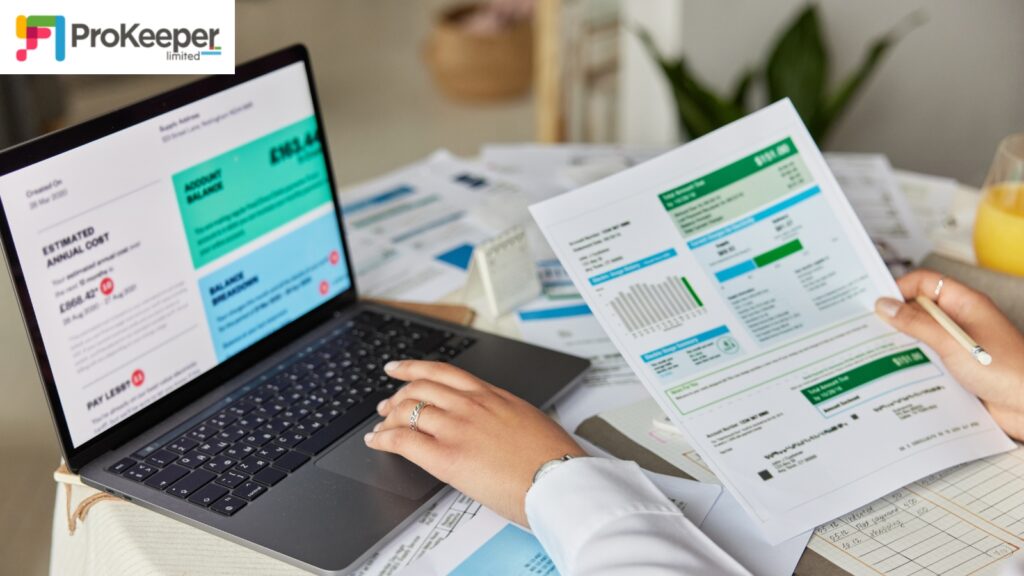
Keep Records as if You’ll Need Them Tomorrow
I’ve seen business owners frantically searching through glove compartments, desk drawers, and even the back of their cars for receipts.
That’s no way to prepare for VAT. Every invoice, every small cash purchase, they all count. Whether you use an app, a spreadsheet, or a trusty ring binder, the aim is the same: have it ready when you need it.
Some people file by date, others by supplier. I like both digital copies sorted by date and a physical folder for each major supplier. It’s saved me more than once when the online system was down.
The VAT Scheme You Choose Isn’t Forever
It’s surprising how many businesses stick with the same VAT scheme they registered with years ago. The Flat Rate Scheme, the Annual Accounting Scheme, and the Cash Accounting Scheme each have their quirks.
A growing business might outgrow one scheme; a smaller firm might find another that reduces admin work. The business tax return process can feel very different depending on which one you use.
A quick yearly review can save you more than a few hours of paperwork, sometimes even a few hundred pounds.
Reconciling Is Not Optional
Before any figures go into your return, your accounts should match your bank statements. Every payment, every sale, and every refund is accounted for.
It sounds tedious, but it’s the point where most mistakes are caught. Output VAT (on sales) and input VAT (on purchases) become clear, and you’ll know if HMRC will be expecting money from you or sending some back.
Adjustments Happen Own Them
No one likes writing off a bad debt, but it happens. So do late credit notes from suppliers. These changes can’t just be guessed at; they need to be recorded with a short note on why they exist.
If HMRC asks, “Why is this figure lower than last quarter?” You’ll have the answer and the proof.
Knowing When to Call in Help
Some people are comfortable filing their VAT; others would rather hand it over to tax return accountants. There’s no shame in getting professional help, particularly if you have overseas sales, multiple revenue streams, or just a lot of transactions. They know the rules, and they spot things you might miss.
Early Filing Ensures Peace of Mind
I’ve always found that filing ahead of the deadline brings peace of mind. Use HMRC’s Making Tax Digital system or approved software, check your figures twice, and hit submit. Then save the confirmation as a screenshot, PDF, or whatever works.
That moment you submit tax return details should be the end of the stress, not the start of it.
Payment or Refund Ready for Either
If VAT is due, pay it before the cut-off date. I’ve seen too many people pay on the day, only for it to process late and attract a penalty.
If you’re due a refund, note the expected date and follow up if it doesn’t arrive. Setting VAT money aside during the quarter makes either outcome easier to handle.
Accuracy Builds Reputation
A correct return of income for VAT purposes is more than ticking a legal box. It tells suppliers, clients, and banks that your business is well-managed. Such consistency builds trust in a way that marketing alone cannot.
Include VAT in Your Workflow
Treat VAT like cleaning your workspace: it’s easier if you keep on top of it than if you let it pile up. Weekly record updates, monthly reconciliations, and an annual scheme review keep things running smoothly. Whether you do it yourself or rely on tax return accountants, the aim is the same: accurate numbers, sent on time.
Closing Thoughts: Why Preparation Pays
I’ve filed VAT returns in tidy offices and at kitchen tables covered in paperwork. The tidy ones are quicker, calmer, and usually more accurate. When your figures are ready before the deadline, you control the process, not the other way around. That’s exactly why it pays to prepare your business for HMRC VAT returns well in advance, submitting a simple formality rather than a stressful last-minute task.
If you make VAT part of your normal business rhythm, you’ll never have that sinking feeling when the reminder email arrives. Instead, you’ll file it, close the laptop, and get back to running the business you want to run.
For stress-free VAT filing and expert support, let Prokeeper handle it for you.